Project Profitability 101: Which Clients Are Losing You Money (And How to Tell)

You're busy. Your calendar is full, invoices go out regularly, and on paper you look successful. But somewhere between the hours you log and the money you keep, something isn't adding up. Some clients feel draining despite decent fees. Projects that seemed straightforward balloon into months of revisions. And when you do the math, you realize you're working for less than your stated rate on more projects than you'd like to admit. This is the gap between revenue and profitability, and it's where many freelancers and small agencies quietly lose money without ever realizing it.
Why project profitability matters more than revenue
Revenue is the easiest number to celebrate. It's the total your clients paid you. But profitability is what you actually keep after accounting for the time you invested. A $10,000 project sounds great until you realize it took 200 hours instead of the 80 you quoted. Suddenly you're working for $50 an hour instead of your intended $125.
Time is your inventory. If you're a freelancer or run a small agency, you have a fixed amount of hours each week to sell. Every hour spent on an unprofitable project is an hour you can't spend on better-fit work, rest, or growth. When you trade those hours at a loss, growth becomes mathematically impossible. You can't scale your way out of low margins; you can only work yourself deeper into them.
The discomfort of measuring profitability is real. Many people avoid it because facing the numbers feels like confronting failure, or because admitting a client is unprofitable feels like admitting a mistake. But this avoidance costs more than the uncomfortable conversation ever would. Category-based time tracking gives you the data to separate emotion from reality, so you can make decisions based on facts, not guilt.
The three warning signs of an unprofitable client
Unprofitable relationships rarely announce themselves loudly. They hide in patterns. Learning to recognize them early saves you months of slow-bleeding margins.
Scope creep without boundary conversations is the first red flag. The project scope seems defined at the start, but then come the "quick tweaks." A small design adjustment. A quick revision to copy. Another round of feedback. None of these feel like enough to renegotiate the fee, so you absorb them. But quick tweaks have a way of doubling your hours while leaving the project fee unchanged. If you find yourself regularly delivering more than you quoted without charging more, scope creep is eating your margin.
Chronic underestimation is the second pattern. You quote a project at what feels like a reasonable rate for the work. But when you finish and track your actual hours, reality doesn't match your estimate. This isn't always your fault. Clients sometimes provide incomplete briefs. Requirements shift mid-project. But if this happens consistently with certain clients, it signals either that you're underestimating their category of work, or that they have a pattern of expanding expectations that your original quote didn't account for.
The approval bottleneck is the third warning sign. These are clients who delay decisions, take weeks to provide feedback, or create long approval chains. But they still expect fast turnarounds from you. You're waiting on them, but the clock is running on your profitability. You quoted 40 hours of your time, but 10 of those hours were spent waiting for client input. You worked 30 hours but charged for 40, which looks fine on the surface. But your actual hourly rate on that project is lower because you're partly billing for their delays.
These patterns compound over time. One scope creep project is manageable. But when scope creep, underestimation, and approval delays all hit the same client simultaneously, your margin collapses fast. Spotting them early means you can course-correct before the damage adds up.
How to actually track project profitability without spreadsheet overwhelm
The good news: you don't need a complex system. Start with one essential number: actual hours versus quoted hours per project.
The simple profitability formula is: (project fee minus [your hourly rate multiplied by actual hours]) divided by project fee. That gives you your profit margin percentage. A 30% margin means you kept 30 cents of every dollar. A 10% margin means you barely kept anything. Once you know the margin, you know whether a project worked or didn't.
The easier step comes first: track your actual project hours. You need accurate time data before you can measure anything. A simple focus timer that lets you log time by client automatically captures where your hours actually go, including the unbilled scope creep you might otherwise forget about.
Ready to see where your time actually goes? See exactly where your focus goes, by client.
Track focus by client →"Good enough" data is better than perfect data that never happens. You don't need to track every interruption or microbreak. You need to know: how many billable hours did this project actually consume, and did that match your estimate? The gap is your lesson. Most people find patterns emerge within 3 to 5 projects. You'll quickly see which clients or project types consistently run over.
Interpreting your profitability data without shame
Once you have numbers, the question becomes: what's actually healthy? For most freelancers and small agencies, a project margin of 40% to 60% is solid. That means you're keeping 40 to 60 cents on the dollar. Below 30%, you're undercharging or overdelivering. Below 15%, the project is almost certainly not worth your time.
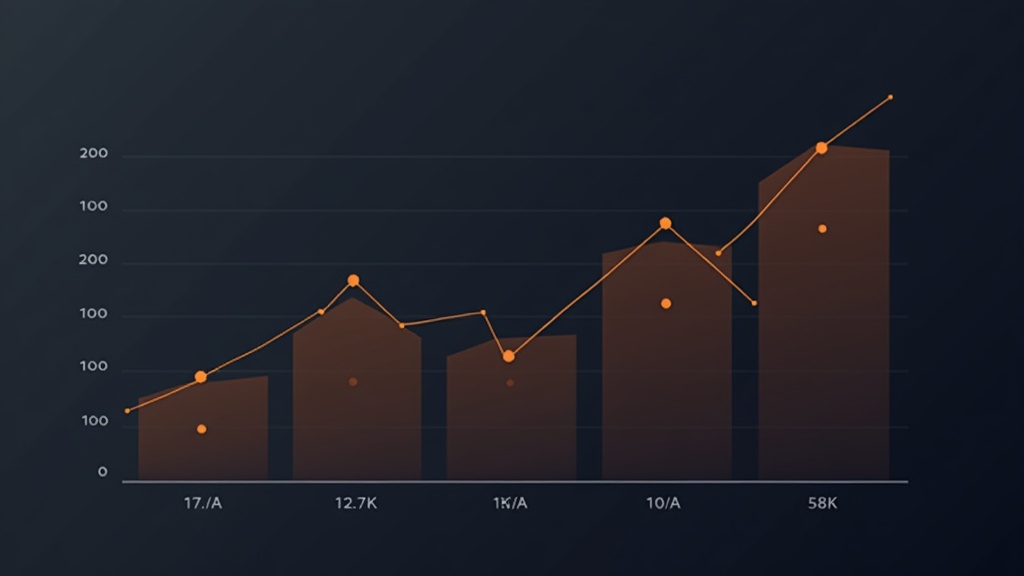
Not every project will be profitable. The distinction matters: one miscalculated project is a learning opportunity. A pattern of unprofitable projects with the same client is a business problem. If three projects with Client A all came in below 25% margin, but three projects with Client B all came in above 50%, the difference isn't you. It's the client relationship.
Some low-margin projects are still worth keeping. If you're building a long-term relationship, establishing expertise in a new market, or maintaining a valued referral source, accepting a below-target margin on one project is strategic. But if it's chronic, it's not strategic. It's just loss-making.
Separate your self-worth from the numbers. A low-margin project isn't a reflection of your skill. It's information about fit. You're skilled. The client's expectations, approval process, or budget simply don't align with what your work requires.
What to do when you identify an unprofitable client
You have options, and none of them require burning bridges.
Option 1: Renegotiate. For future work, have a calm conversation. "I noticed our last project required more time than we anticipated. For the next one, I'd like to either adjust the scope, increase the fee, or build in a larger time buffer so we can deliver at the standard I want to maintain." Most good clients will respect this. Many will agree to adjust. This is how professional relationships evolve.
Option 2: Finish and move on. You can honor current commitments and politely decline future work. "Thanks for the opportunity. I'm focusing my availability on other projects right now, but I'd be happy to recommend someone for your next phase." Clean, kind, clear.
Option 3: Adjust delivery. Set stricter boundaries. Batch revisions into scheduled rounds instead of ongoing feedback. Define scope precisely in writing. Charge separately for work outside the original agreement. These changes protect your margin without ending the relationship.
"Firing" a client doesn't have to be dramatic. It's a business decision, not a personal rejection. And the relief that comes from making space for better-fit work is real and immediate. You stop dreading Monday. Your good clients get your best energy instead of your exhaustion.
Building profitability into your process from day one
The easiest unprofitable clients to avoid are the ones you never take on. During discovery calls, red flags appear early: vague scope, long approval chains, tight budgets paired with unclear requirements. Pay attention to those signals. A low rate is sometimes a flag that the client is price-sensitive across everything, including timeline and revision expectations.
Quote with realistic time buffers. Not padding (which dishonest and adds cost), but realistic estimates based on your actual historical data. If your last three similar projects ran 20% over estimate, build that into your quote. Better to finish early and surprise the client with bandwidth than to miss deadlines and eat the hours.
From your first project with a client, track time by client or project type. You don't need perfect data immediately, but you do need a baseline. This data compounds into insight. After six months, you'll know exactly which clients, project types, or service offerings are actually profitable. After a year, you'll be pricing and accepting work based on real numbers, not guesses.
Review profitability quarterly, not daily. Obsessing over numbers day-to-day creates anxiety without insight. But reviewing every three months keeps you strategic and sane. You'll spot patterns before they become crises, and you'll make smarter decisions about where to invest your energy next.
Conclusion
Project profitability isn't about greed or perfectionism. It's about sustainability. When you understand which clients and projects actually work for you, you can build a business that rewards your skill fairly and leaves you energy for the work you actually enjoy. The math is simple, but the clarity it brings is profound. You're not being unkind by measuring profitability. You're being realistic about the only resource you truly have: your time.
Start small. Pick one metric to track over the next month. Then let the data guide your next conversation with an underperforming client. You'll be surprised how much changes when you know the numbers.
Focus on what matters, by client
Free, no signup. Time your work and see exactly where it went.
Start focusing